



Nigeria | Gaming Regulation, B2B Technology & Compliance
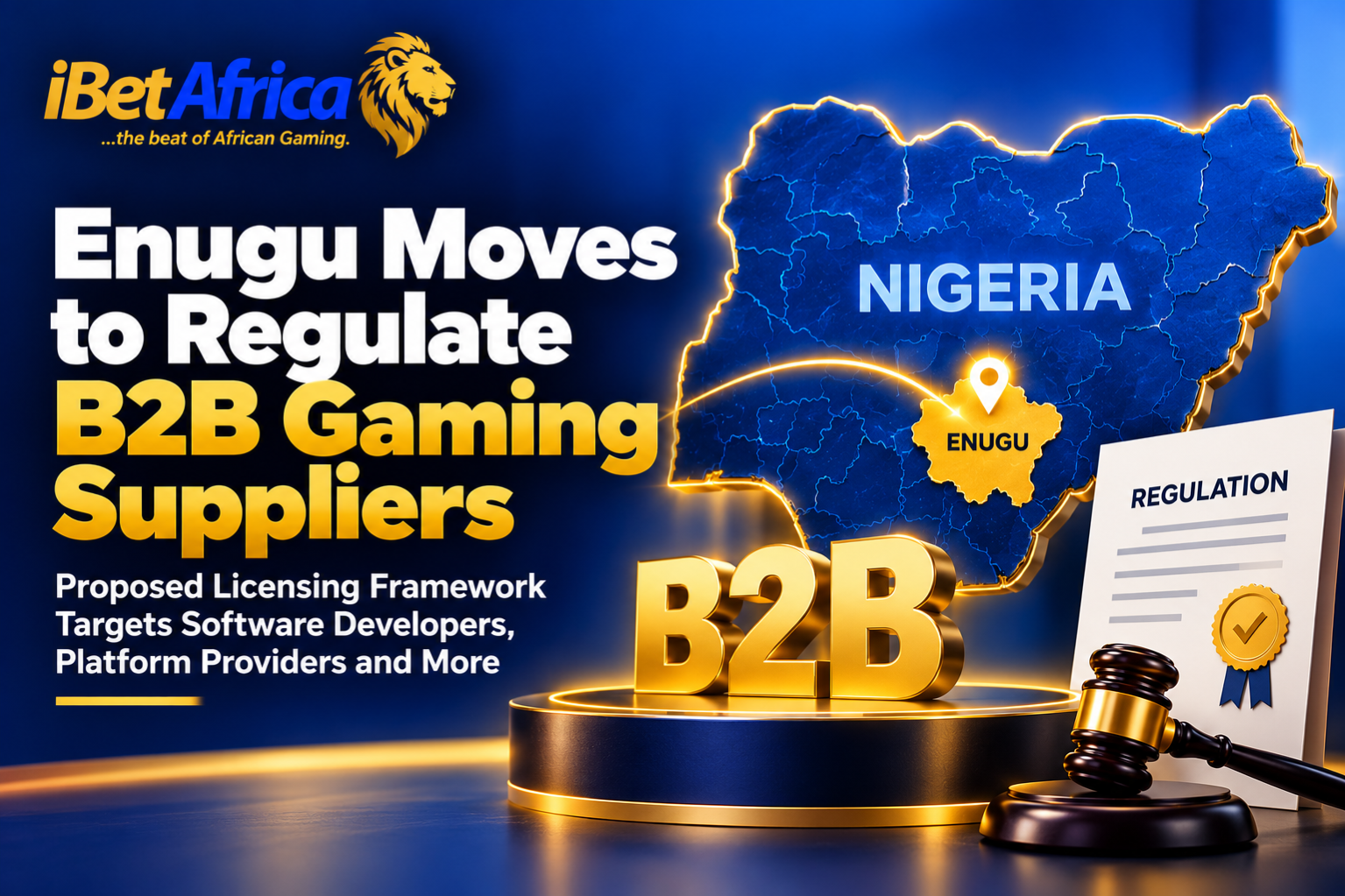
Nigeria’s Enugu State is taking steps towards expanding regulatory oversight of its gaming industry, with a proposed licensing framework that could bring software developers, gaming platform providers and other business-to-business (B2B) suppliers directly under the supervision of the state gaming regulator.
The proposal was highlighted during the 2026 Enugu State Gaming Stakeholders Forum, which concluded on 8 October 2026.
If introduced, the framework would represent an important development in how gaming technology suppliers are regulated within the state.
The initiative comes as African gaming regulators increasingly examine not only licensed betting operators but also the technology infrastructure supporting their operations.
Beyond Operators: A New Focus on B2B Suppliers
Traditionally, gaming regulation has concentrated heavily on operators offering betting, lottery and casino services to customers.
However, modern gaming platforms depend on a much wider network of technology partners.
These include software developers, sportsbook platform providers, gaming equipment suppliers and companies responsible for essential technology infrastructure.
The Enugu State Gaming and Lottery Commission is now considering a framework that would establish clearer regulatory responsibilities for these businesses.
Under the proposed arrangement, relevant suppliers could be required to meet licensing and compliance obligations appropriate to the services they provide.
The objective is to improve accountability, strengthen system integrity and give the regulator greater visibility into the companies powering licensed gaming operations.
Importantly, the framework remains a proposal and has not yet been implemented.
Gaming Stakeholders Forum Sets the Direction
The proposal emerged from discussions at the 2026 Gaming Stakeholders Forum, organized under the theme:
“Beyond Compliance: Building a Safer, Smarter and More Sustainable Gaming Industry in Enugu State.”
The forum brought together licensed gaming operators, agents and industry stakeholders to examine regulatory compliance, emerging technology, responsible gaming and industry sustainability.
A key outcome was the emphasis on extending oversight beyond gaming operators to include the suppliers whose systems enable betting and lottery activities.
Participants also discussed the importance of closer cooperation between regulators and industry stakeholders.
Stronger Data Security and Regulatory Monitoring
Another major focus was the use of Enugu’s Gaming Regulatory Management Platform (GRMP).
The forum’s communique encouraged stakeholders to improve their understanding and secure use of the platform.
Discussions highlighted the need to protect sensitive commercial information, maintain data integrity and strengthen the security of systems connected to regulatory monitoring infrastructure.
These issues are particularly relevant as gaming businesses increasingly rely on digital platforms, APIs and integrated technology services.
For operators and suppliers, regulatory monitoring must be balanced with appropriate protection of customer and commercially sensitive information.
Responsible Gaming Remains a Priority
Beyond licensing and technology oversight, the forum also reinforced the importance of player protection.
Stakeholders welcomed the Play Smart, Stay Safe initiative, developed in collaboration with GambleAwareNG.
The programme aims to expand responsible gaming awareness in licensed land-based betting and gaming shops across Enugu State.
The initiative complements wider discussions around safer gaming practices, regulatory compliance and responsible industry growth.
What Could This Mean for Gaming Platform Providers?
The proposed B2B licensing framework could have significant implications for technology businesses serving operators in Enugu State.
Software developers and platform suppliers may eventually need to demonstrate compliance with defined technical, operational and regulatory standards.
Operators could also face additional responsibilities when selecting and integrating third-party technology partners.
However, the exact licensing categories, application requirements, fees and implementation timetable have not yet been announced.
These details will depend on the outcome of further legal processes and stakeholder engagement.
Why This Matters for Africa’s iGaming Industry
Enugu’s proposal reflects an important question facing gaming regulators across Africa:
Should the companies supplying gaming technology be subject to direct regulatory oversight alongside the operators using their systems?
As African betting markets become more technology-driven, the distinction between operators and their supporting suppliers is increasingly important.
B2B platform providers contribute to critical functions such as game delivery, transaction processing, system integration, reporting and operational security.
A clearly defined regulatory framework could help establish responsibilities across the gaming value chain.
At the same time, policymakers will need to consider the costs and practical implications for smaller technology businesses, international suppliers and local developers.
What Happens Next?
The Enugu State Gaming and Lottery Commission has not announced an implementation date for the proposed B2B licensing framework.
Further legal review and stakeholder consultation are expected before any formal requirements take effect.
For now, technology providers and gaming operators serving the state should follow official regulatory communications and participate in consultations where appropriate.
The development reinforces the growing importance of compliance, transparency and technology governance within Nigeria’s gaming ecosystem.
iBetAfrica will continue monitoring the proposal and its potential implications for gaming operators, platform providers and technology suppliers across Africa.
18+ | Play responsibly.