




Libreville, Gabon | 29 October 2026
Gabon has officially launched the operations of La Gabonaise des Jeux (GDJ), a state-owned gaming organization established to strengthen government control, transparency and accountability in the country’s gambling industry.
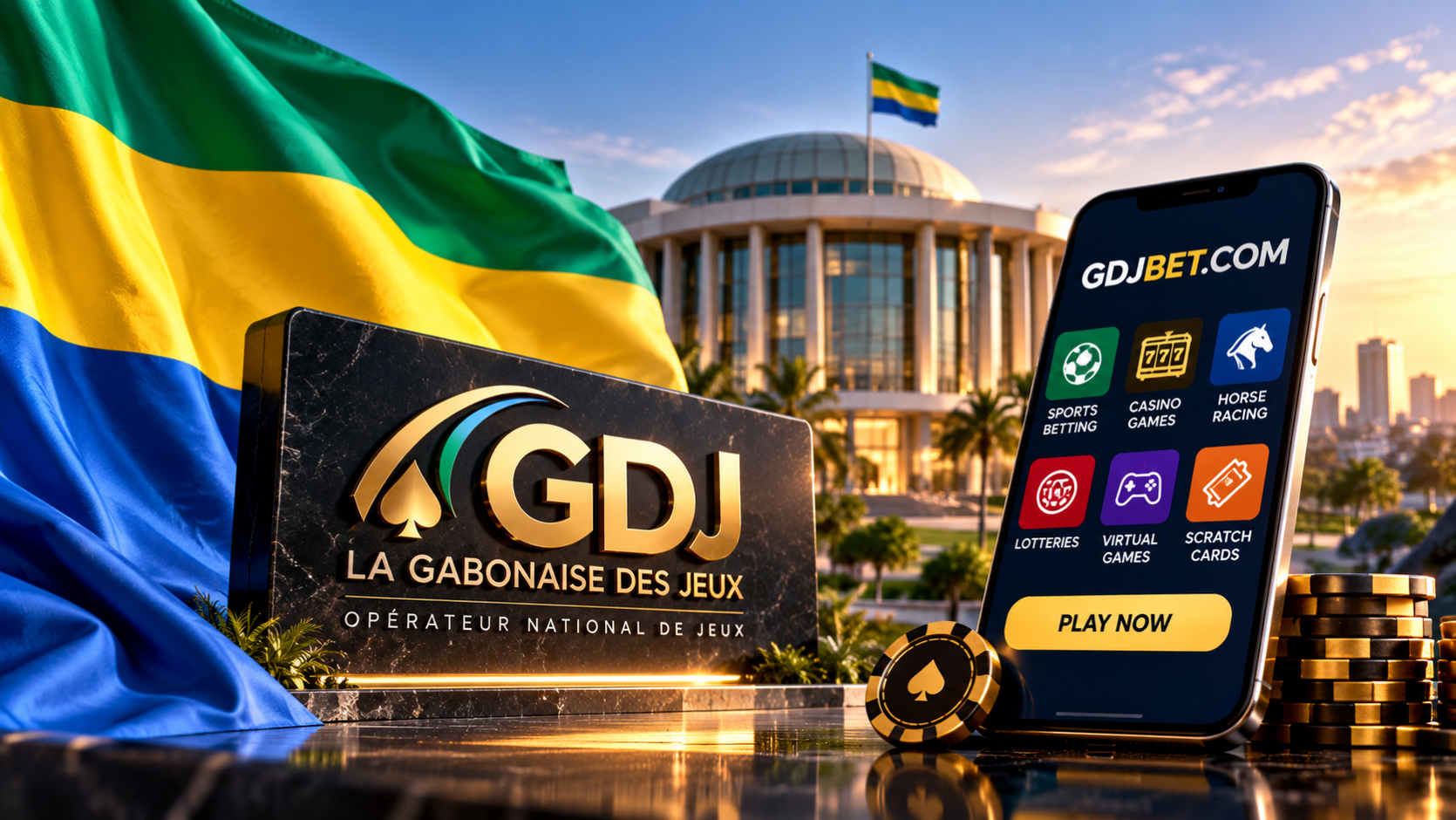
The launch ceremony, held on 22 October 2026 in Libreville, also marked the introduction of GDJBET.COM, a digital gaming platform offering sports betting, lotteries, virtual games, scratch cards, casino games and horse racing.
The development represents a significant step in Gabon’s efforts to restructure its gambling market, improve regulatory supervision and ensure that the industry contributes more effectively to national economic development.
Government Moves to Restructure the Gambling Sector
The official launch was presided over by Gabon’s Vice-President of the Government, Hermann Immongault, alongside Interior Minister Edgard Moukoumbi and other government representatives.
Established in December 2025, GDJ forms part of a wider government initiative to reorganise gambling activities under stronger national oversight.
According to the Ministry of the Interior, the new organization is intended to address longstanding concerns about insufficient transparency and government control in the sector.
The government has positioned GDJ as a central institution for organizing, operating and supervising gambling activities.
Its creation also reflects the administration’s broader economic sovereignty agenda under President Brice Clotaire Oligui Nguema.
GDJBET.COM Introduces Six Gaming Categories
One of the most notable developments accompanying the launch was the introduction of GDJBET.COM.
The platform provides a digital channel for GDJ’s gaming products, covering six categories:
- Sports betting
- Lotteries
- Virtual games
- Scratch cards
- Casino games
- Horse racing
The introduction of an online platform demonstrates the government’s intention to participate directly in Gabon’s expanding digital gambling ecosystem.
It also introduces new questions about how state-operated gaming products will coexist with existing private operators.
What Happens to Existing Gaming Operators?
GDJ’s arrival could have important implications for private gambling businesses operating in Gabon.
Under the country’s restructured framework, the state has assumed a more central role in the organization and supervision of gambling activities.
Earlier regulatory changes required existing operators to seek authorization under the new system.
However, the full list of approved private operators and the commercial arrangements governing their participation have not been publicly clarified.
This leaves important questions about licensing, market access and the practical relationship between GDJ and private gaming companies.
GDJ Director General Roméo Nguema Ondo has emphasized the organization’s intention to work with industry partners through clear rules and mutual commitments.
For prospective market entrants, understanding the updated licensing and operational requirements will be essential before committing resources to Gabon.
Responsible Gambling and Player Protection
Alongside commercial expansion, GDJ has identified responsible gambling as a priority.
The organization says participation in its gaming products will be subject to applicable age restrictions and other regulatory requirements.
Its stated priorities include preventing excessive gambling, informing players about gambling-related risks and strengthening confidence in the regulated market.
These commitments will be particularly important as online gaming becomes more accessible through digital platforms.
Effective implementation will depend on the practical safeguards, monitoring systems and enforcement arrangements adopted by the organization and its partners.
Government Targets Greater Revenue Accountability
Another important objective behind the establishment of GDJ is improving the economic contribution of gambling activities.
Government officials have argued that stronger oversight could help increase transparency, improve the management of gaming revenue and support public initiatives.
Potential beneficiaries could include social development programmes, sports initiatives and other national priorities.
However, authorities have not publicly provided detailed projections for GDJ’s gaming revenue, player numbers or expected contribution to public finances following the October launch.
The organisation’s actual economic performance will therefore need to be assessed as its operations develop.
Implications for Africa’s iGaming Industry
Gabon’s approach reflects a wider debate across African gaming markets about the appropriate balance between government control, private investment and effective regulation.
For international gaming operators, the development highlights the importance of understanding national licensing frameworks before entering emerging markets.
For payment service providers and gaming technology companies, the new structure could create opportunities involving digital gaming infrastructure, transaction processing, compliance systems and operational partnerships.
However, any such opportunities will depend on GDJ’s procurement arrangements, regulatory requirements and willingness to engage external providers.
The broader industry will also be watching how Gabon manages the relationship between state-operated gambling products and private-sector participation.
Conclusion
The operational launch of La Gabonaise des Jeux represents a major development in Gabon’s gambling industry.
With the introduction of GDJBET.COM and a stronger state-led oversight framework, the country is seeking to improve transparency, player protection and the economic contribution of regulated gaming.
The next important developments will concern licensing clarity, private-sector participation, regulatory enforcement and the performance of GDJ’s newly introduced digital gaming platform.
iBetAfrica will continue monitoring Gabon’s gaming market and the implications of its restructuring for operators, technology providers and investors across Africa.