



Lagos, Nigeria | 29 October 2026
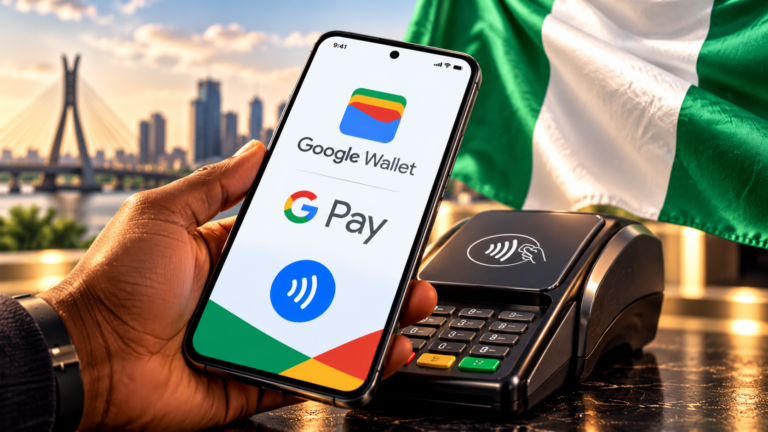
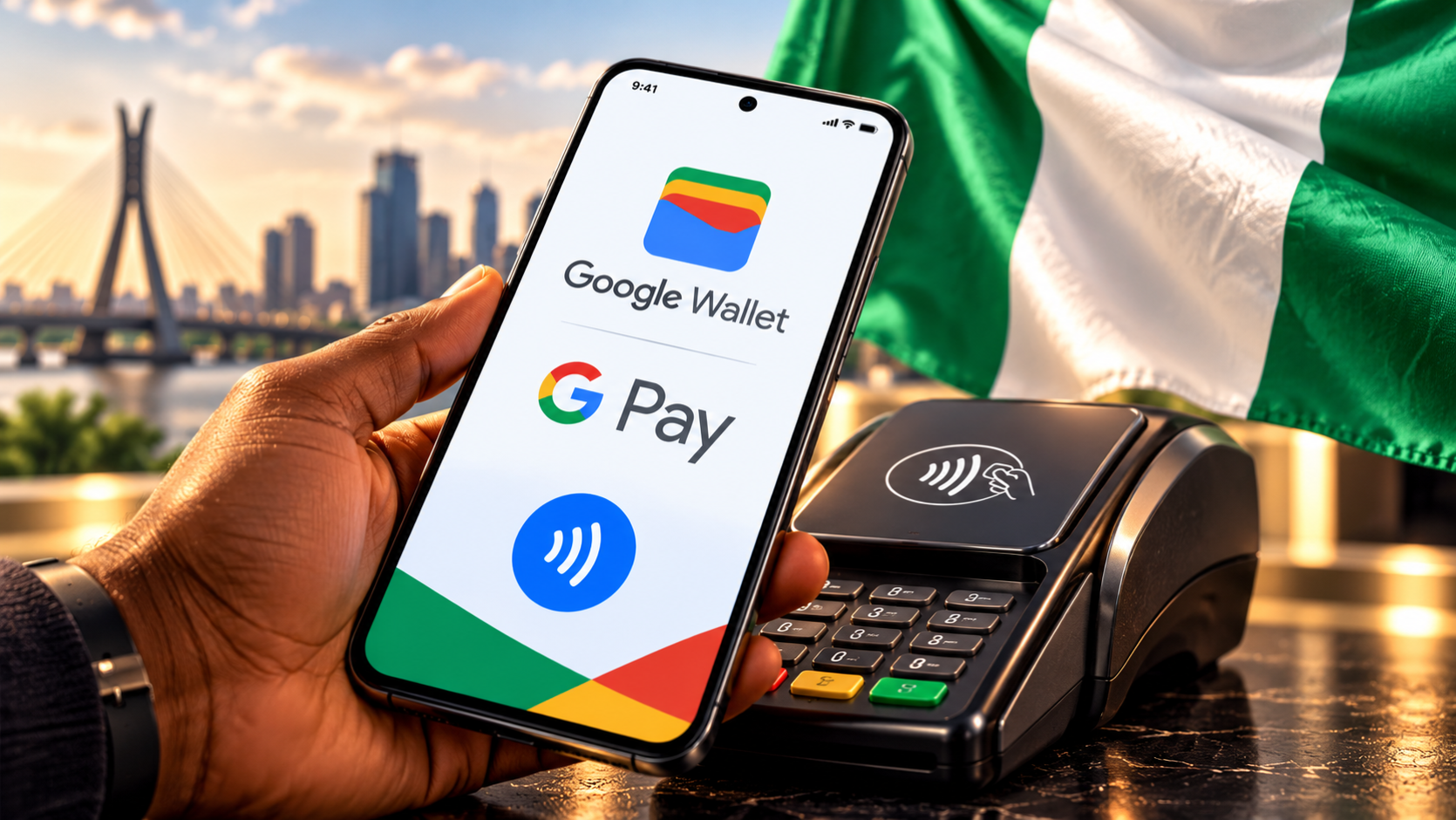
Nigeria’s digital payments industry has recorded another significant development as Google officially introduces Google Wallet and Google Pay, enabling eligible consumers to make payments using compatible Android smartphones and Wear OS devices.
Announced by Google on 28 October 2026, the rollout brings contactless payments, digital card storage and simplified online checkout to participating Nigerian bank customers.
The launch involves leading financial institutions, including FirstBank, Guaranty Trust Bank (GTBank), United Bank for Africa (UBA) and Zenith Bank, with Mastercard, Visa and local payment infrastructure providers supporting eligible transactions.
The development marks another step in Nigeria’s evolving financial technology landscape, although availability remains dependent on supported cards, compatible devices and merchant acceptance.
What Google Wallet and Google Pay Bring to Nigeria
Google Wallet is a digital application that allows users to store eligible payment cards and other digital essentials, including boarding passes, event tickets and loyalty cards.
Google Pay is the payment functionality that enables customers to complete supported transactions without repeatedly entering their physical card details.
Through the new rollout, eligible users can:
- Make contactless payments at compatible point-of-sale terminals.
- Complete supported online and in-app purchases.
- Store eligible bank cards digitally.
- Access travel tickets, loyalty cards and other supported digital credentials.
For in-store payments, customers need a compatible device with Near Field Communication (NFC) technology, while merchants must have terminals capable of accepting contactless transactions.
Nigerian Banks Join the Digital Wallet Rollout
The initial rollout includes eligible card products from FirstBank, GTBank, UBA and Zenith Bank.
Mastercard is supporting the service through its digital payment and tokenization infrastructure, while Interswitch has helped connect participating Nigerian card issuers to the necessary processing capabilities.
UBA has also confirmed support for eligible Visa and Mastercard customers.
Meanwhile, GTCO announced that GTBank customers can use supported cards through Google Wallet, while businesses using its payment subsidiary HabariPay’s Squad gateway can offer Google Pay at online checkout.
These developments demonstrate how international payment technology providers are increasingly working with Nigerian banks and local payment infrastructure companies to expand digital payment options.
However, not every card issued by a participating bank is eligible, and support varies by card type.
A New Opportunity for Nigeria’s Digital Commerce Ecosystem
Nigeria already has a well-established digital payments market supported by bank transfers, USSD, payment cards and financial technology platforms.
The introduction of Google Pay adds another payment method to this ecosystem.
For eligible consumers, it may simplify checkout by reducing the need to carry physical cards or manually enter payment information.
For merchants, supporting digital wallets could help create more convenient payment experiences, particularly for customers making online purchases.
Payment service providers and gateway operators may also benefit from opportunities to support wallet-based checkout, payment tokenization and contactless acceptance infrastructure.
Nevertheless, the launch does not mean that Google Pay will immediately replace existing payment channels.
Bank transfers, mobile banking applications, USSD and conventional card payments remain essential components of Nigeria’s payment ecosystem.
Security and Payment Tokenization
Security is an important component of Google Pay’s operating model.
The service uses tokenization to protect sensitive payment information during supported transactions.
Rather than exposing the customer’s underlying card number to a merchant, the payment system uses a substitute digital credential.
Google also provides device security features that allow users to remotely lock or erase information from lost or stolen Android devices.
While these measures can reduce certain risks, consumers must still follow standard digital payment security practices.
What Does This Mean for Africa’s iGaming and High-Risk Payment Industry?
For Africa’s iGaming industry, the development highlights the continuing evolution of digital payment technology.
Gaming operators increasingly prioritize convenient payment experiences, secure transaction processing and reliable integration with local financial infrastructure.
The introduction of additional digital wallet capabilities may encourage further innovation across payment gateways, merchant checkout systems and mobile-first transaction services.
However, Google Pay’s launch does not automatically mean that betting, online casino or other high-risk transactions are supported.
Acceptance of gambling-related payments depends on applicable laws, card-network rules, financial institution policies and payment provider restrictions.
Operators and payment service providers must therefore assess eligibility and compliance requirements before considering such payment methods.
Challenges Facing Contactless Payment Adoption
Despite the potential benefits, several factors could influence adoption in Nigeria.
These include the availability of NFC-enabled smartphones, compatible merchant payment terminals and support from participating financial institutions.
Many consumers and businesses continue to rely heavily on direct bank transfers and other established payment channels.
The success of Google Wallet and Google Pay will therefore depend on wider banking participation, merchant readiness, customer awareness and the reliability of the payment experience.
Conclusion
The launch of Google Wallet and Google Pay represents an important milestone in Nigeria’s digital payments industry.
By connecting international wallet technology with participating banks and local payment infrastructure, the development introduces additional options for consumers and merchants.
For Africa’s wider fintech ecosystem, it reinforces the importance of partnerships between technology companies, financial institutions and payment service providers.
As adoption develops, the industry will be watching how digital wallets influence consumer behaviour, merchant acceptance and payment innovation across the continent.
iBetAfrica will continue monitoring developments across Africa’s fintech, digital payments and high-risk business sectors.