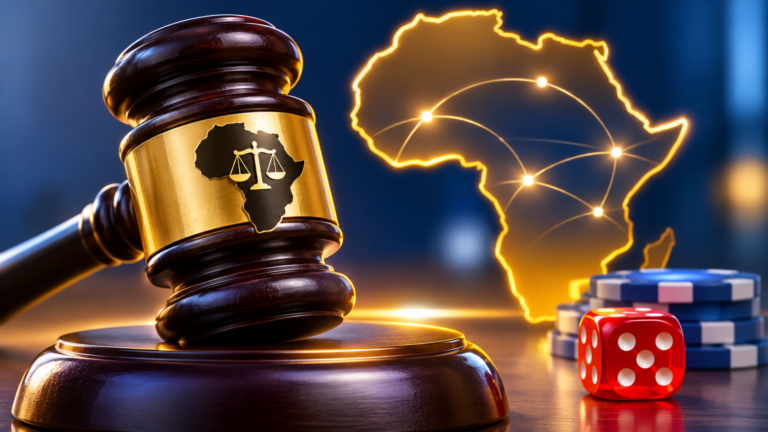




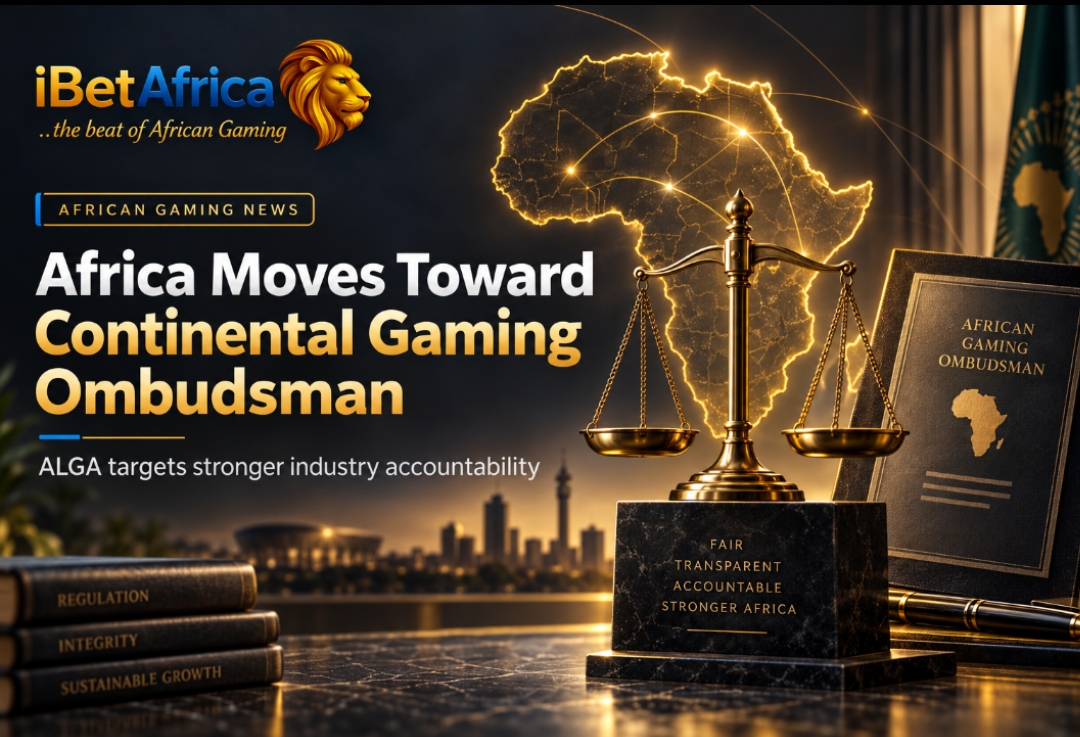
The African Lotteries & Gaming Association (ALGA) is moving to establish a Continental Dispute Resolution Ombudsman for Africa’s lotteries and gaming sector, introducing a potentially important new layer of accountability and dispute resolution across the continent.
The initiative was announced by ALGA Board Chairperson Sebina Hlapolosa during the ALGA CEOs Forum 2026 in South Africa.
The proposed Ombudsman is intended to provide an independent mechanism for addressing disputes and industry concerns while working alongside — rather than replacing — existing national gaming regulators.
If successfully implemented, the initiative could become particularly relevant as Africa’s gaming industry becomes increasingly interconnected across operators, technology providers, payment companies, lotteries and other suppliers working in multiple jurisdictions.
Why Africa May Need a Gaming Ombudsman
Africa’s gaming industry does not operate under a single regulatory structure.
Each country — and in some cases individual states or provinces — can have different rules covering:
- Licensing
- Taxation
- Player complaints
- Supplier relationships
- Advertising
- Payments
- Responsible gaming
- Contractual disputes
- Enforcement
For businesses operating across several African markets, this can create significant complexity.
A continental Ombudsman could potentially provide an additional neutral channel for addressing certain disputes and improving communication between stakeholders.
Not a Replacement for National Regulators
One of the most important aspects of ALGA’s proposal is that the Ombudsman would be expected to complement existing regulatory authorities, rather than take over their statutory responsibilities.
National regulators would therefore remain responsible for licensing, enforcement and the application of local gaming legislation.
The Ombudsman could instead focus on areas where independent mediation, dispute resolution or industry-level intervention may be helpful.
Exactly how that relationship will work, however, is still to be defined.
Major Questions Still Need Answers
While the proposal could become an important development for Africa’s gaming ecosystem, several key details have not yet been made public.
These include:
Jurisdiction: Which countries and organizations would fall within the Ombudsman’s remit?
Authority: Would its findings be advisory or legally enforceable?
Eligibility: Would players, operators, suppliers, payment companies and other stakeholders all be permitted to bring disputes?
Funding: How would the office be financed while maintaining independence?
Appointments: Who would select the Ombudsman and determine its governance structure?
Relationship with regulators: How would cases involving licensed operators be coordinated with national gambling authorities?
These questions will determine whether the proposed body becomes an influential continental institution or primarily an industry mediation platform.
Potential Benefits for Operators and Suppliers
For operators and B2B suppliers, a trusted dispute-resolution structure could be particularly valuable.
African gaming companies increasingly work with:
- International gaming platforms
- Game studios
- Aggregators
- Payment providers
- Affiliates
- Marketing agencies
- Data suppliers
- Local operators and distributors
When commercial disagreements cross borders, resolving them can become expensive and complicated.
A recognized industry Ombudsman could potentially provide a faster and more specialized route for certain disputes, particularly where parties want to avoid lengthy litigation.
Player Protection Could Also Benefit
The initiative could also strengthen consumer confidence if individual players are eventually included within its scope.
Disputes relating to withdrawals, account restrictions, responsible-gaming measures, promotions and operator conduct can sometimes be difficult for consumers to resolve, particularly when the operator or service provider sits in another jurisdiction.
A credible independent body could provide another channel for addressing such complaints.
However, whether individual player complaints will fall within the proposed Ombudsman’s remit has not yet been confirmed.
A Sign of Africa’s Gaming Industry Maturing
The ALGA proposal reflects a broader change taking place across African gaming markets.
The industry is becoming more structured around:
regulation, responsible gaming, compliance, player protection, taxation, technology and cross-border cooperation.
As African gaming markets mature, questions around governance and accountability will become increasingly important.
A continental dispute-resolution institution could therefore represent another step toward a more coordinated African gaming ecosystem.
What Happens Next?
The next stage will be critical.
Industry stakeholders will be watching for details around the Ombudsman’s:
governance, jurisdiction, independence, funding, powers and relationship with national regulators.
There will also be significant interest in whether participation becomes voluntary or whether ALGA members and other industry bodies will formally recognize its decisions.
For international companies entering Africa, clarity around dispute resolution could also improve confidence when forming partnerships with African businesses.
iBetAfrica will continue to monitor the development of ALGA’s proposed Continental Gaming Ombudsman and what it could mean for operators, suppliers, regulators and players across Africa.