





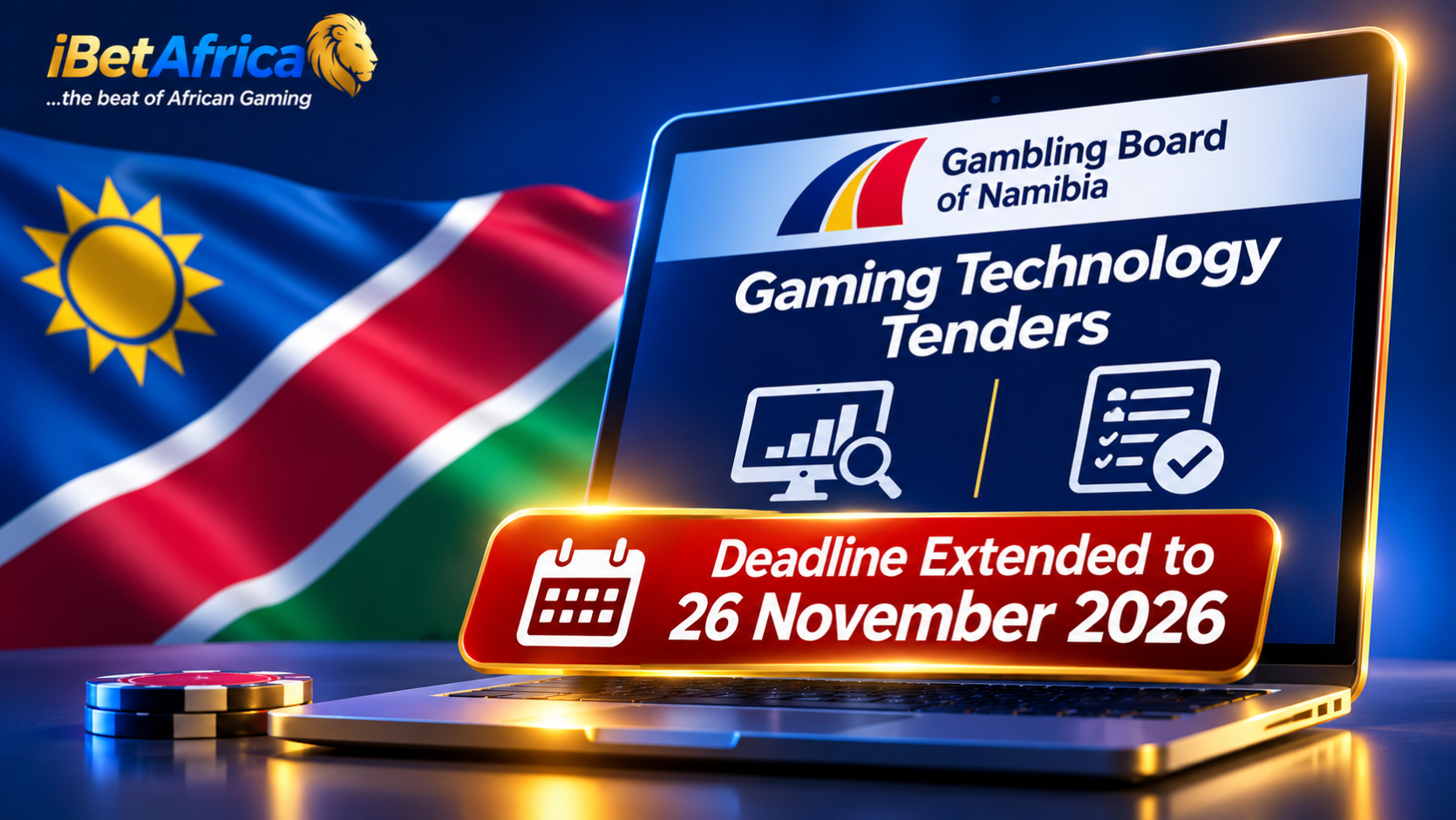
Namibia’s Gambling Board has reportedly extended the submission deadline for two gaming technology tenders to 26 November 2026, creating additional time for qualified technology providers to prepare bids for projects aimed at modernising gambling oversight.
The procurement initiatives focus on a central electronic monitoring system and an integrated licensing and document-management platform, reflecting the growing importance of digital infrastructure in the regulation of Africa’s gaming industry.
The reported changes also place greater emphasis on Namibian participation, potentially encouraging partnerships between international technology companies and locally qualified businesses.
Two Technology Projects at the Centre of the Tender
The first project involves the development and implementation of a central electronic monitoring system designed to support the supervision of gambling activities.
Such systems can provide regulators with improved visibility into gaming operations, support transaction and operational monitoring, and strengthen compliance oversight.
The second project concerns an integrated licensing and document-management platform.
This type of infrastructure can help streamline regulatory administration by supporting licence applications, record management, documentation and communication between operators and the regulator.
Together, the projects represent an opportunity to strengthen the technological foundations of Namibia’s gambling regulatory environment.
Revised Deadline Gives Bidders Additional Time
According to industry reporting published on 4 November 2026, the Gambling Board extended the submission deadline for both tenders to 26 November.
An earlier deadline had reportedly been set for 5 November.
The extension could provide additional preparation time for prospective bidders, particularly those considering consortium arrangements or local technology partnerships.
However, interested companies should consult the latest official tender documents to establish the applicable submission requirements, deadlines and procurement procedures.
Local Participation Takes Centre Stage
The reported procurement changes also highlight an emphasis on Namibian ownership and participation.
Industry reporting indicates that revised eligibility requirements favour qualifying Namibian-owned businesses, while international providers may be able to participate through appropriate local joint ventures.
For foreign gaming technology companies, this could make collaboration with local firms an important consideration when assessing the opportunities.
Such arrangements may also create opportunities for knowledge transfer, technical capacity development and longer-term support within Namibia’s technology sector.
The precise ownership thresholds and eligibility rules should be confirmed in the official amended tender documents before prospective bidders make commercial commitments.
What This Means for Gaming Technology Providers
The two projects could attract interest from companies specialising in gambling monitoring systems, regulatory software, licensing platforms and data-management solutions.
For technology providers already operating in African markets, Namibia represents a potential opportunity to expand their regulatory technology portfolios.
Local firms may also benefit from opportunities to contribute technical expertise, implementation capacity and ongoing support services.
Successful participation would depend on meeting the applicable procurement requirements, demonstrating relevant capabilities and providing solutions aligned with the regulator’s operational objectives.
The reported tender extension does not indicate that any contracts have been awarded.
Africa’s Gaming Regulators Embrace Digital Oversight
Across Africa, gaming authorities are increasingly examining how digital infrastructure can improve licensing, monitoring and compliance administration.
As gaming markets expand, regulators require systems capable of supporting effective supervision and maintaining reliable operational records.
Central monitoring platforms and integrated licensing systems can contribute to these objectives when appropriately designed and implemented.
Namibia’s procurement initiatives illustrate the potential role of technology investment in strengthening regulatory capacity.
They also highlight emerging commercial opportunities for African technology businesses and international providers capable of working within local procurement frameworks.
Looking Ahead
The reported 26 November deadline gives prospective bidders a defined period to review the projects and assess potential partnerships.
For companies interested in Namibia’s gaming technology sector, the immediate priority should be obtaining the latest official tender documents and verifying all eligibility and submission requirements.
If successfully implemented, the proposed systems could contribute to a more efficient, transparent and technologically supported gambling regulatory environment.
For Africa’s gaming industry, the broader message is clear: regulatory modernisation is creating opportunities not only for operators, but also for technology providers and local business partnerships.