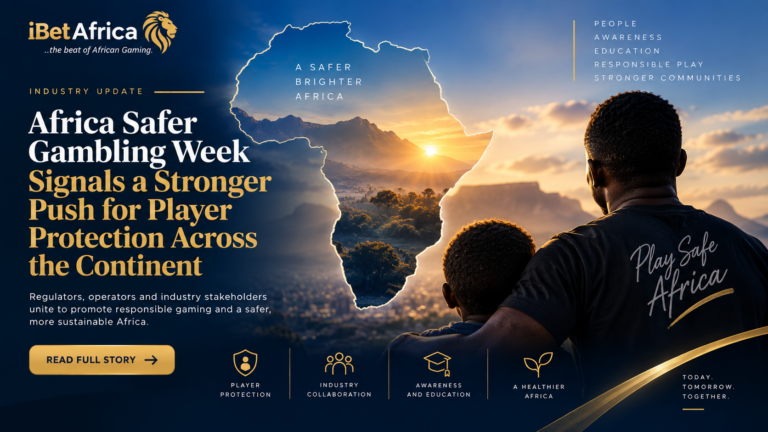



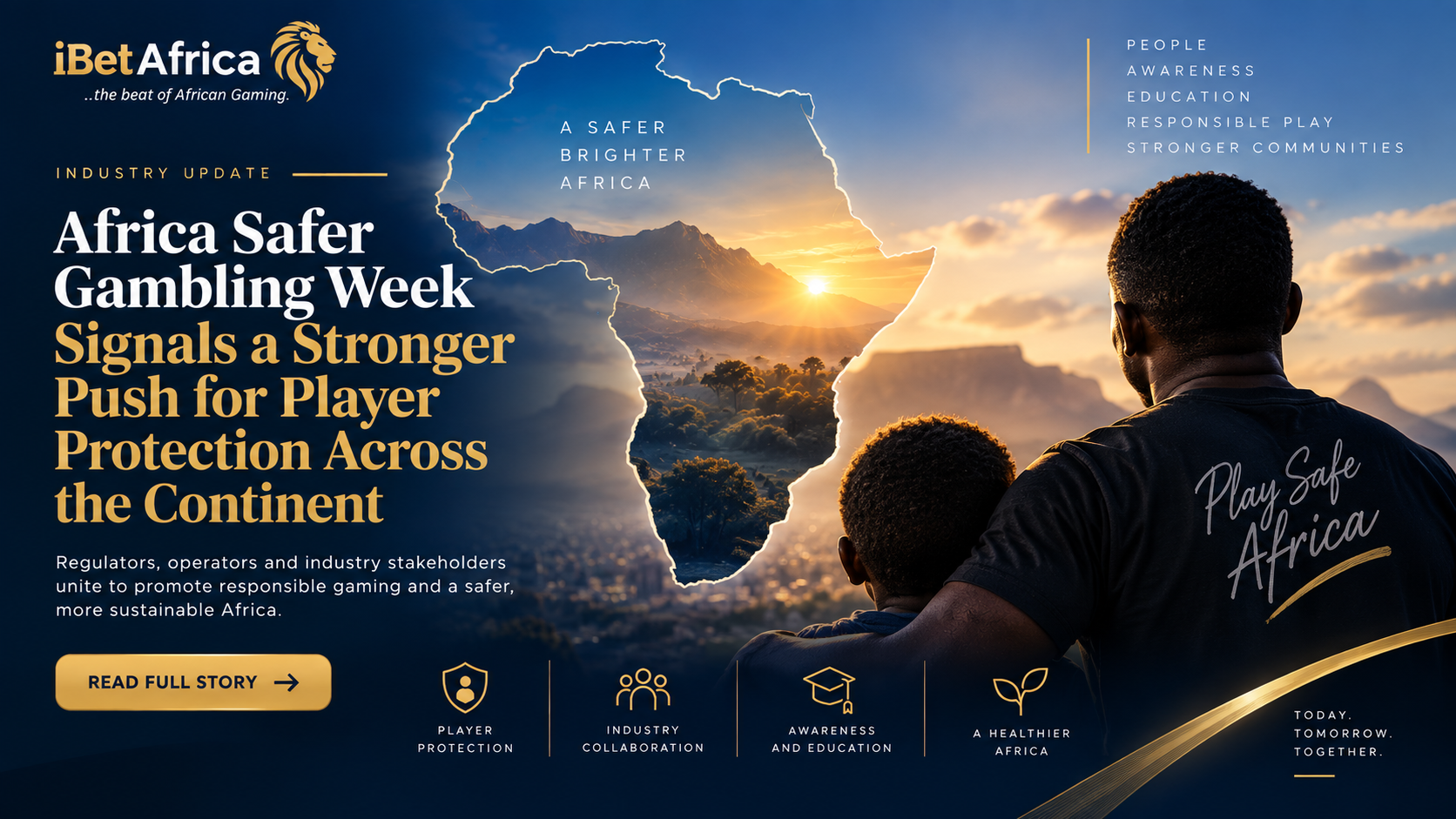
Africa’s gambling industry is taking a more coordinated approach to responsible gaming as regulators, operators and industry organizations across the continent unite behind the inaugural Africa Safer Gambling Week.
Held from 7–11 September 2026 under the campaign banner #PlaySafeAfrica, the initiative brought together gaming regulators, industry associations, operators and responsible-gambling organizations with a common objective: strengthening player protection as Africa’s betting and gaming markets continue to expand.
The campaign was organized by the African iGaming Alliance (AiA) alongside regulatory and industry partners across several African jurisdictions.
Participants and supporting organizations included the Lagos State Lotteries and Gaming Authority (LSLGA), South Africa’s National Gambling Board, Uganda’s National Lotteries and Gaming Regulatory Board, the Gaming Board of Tanzania, the Malawi Gaming and Lotteries Authority, the Association of Gaming Operators Kenya, the Association of Nigerian Bookmakers and Gamble Alert.
Lagos Takes Safer Gambling Conversation Beyond the Industry
Nigeria played a prominent role in the initiative.
In Lagos, the African iGaming Alliance collaborated with the Lagos State Lotteries and Gaming Authority on a press briefing bringing together regulators, gaming companies, responsible-gaming advocates, healthcare professionals and industry associations.
Participants included LSLGA CEO Bashir Are, African iGaming Alliance representative and pawaTech Head of Responsible Gaming Olabimpe Akingba, Gamble Alert CEO Fisayo Oke, SAFEPLAY Technologies CEO Kayode Lawal and Association of Nigerian Bookmakers Executive Secretary Gift Tuadibofa.
Representatives from Bet9ja and BetWinner Nigeria also participated alongside healthcare professionals.
The message emerging from the discussions was straightforward: player protection cannot be the responsibility of regulators alone.
Operators, technology companies, industry associations, healthcare professionals and other stakeholders all have roles to play in reducing gambling-related harm.
But the initiative did not remain inside conference rooms.
As part of the campaign, responsible-gambling awareness was taken into communities and educational institutions, including activities at Lagos State University of Education.
Across participating markets, the campaign also focused on public education around personal betting limits, responsible-gambling tools, preventing underage gambling and the risks associated with illegal and unlicensed operators.
From Responsible Gambling Messaging to Practical Protection
Africa Safer Gambling Week arrives at an important stage in the development of the continent’s gaming industry.
Online betting and gaming have become increasingly accessible through smartphones, mobile payments and digital platforms.
As accessibility increases, however, regulators and operators face growing pressure to ensure that consumer-protection mechanisms develop alongside commercial growth.
That means responsible gambling can no longer be treated simply as a disclaimer at the bottom of an operator’s website.
The industry is increasingly discussing practical mechanisms including deposit and spending limits, self-exclusion, age verification, responsible marketing, player education and early intervention.
Lagos already provides an example of this movement through SafePlay, a centralized self-exclusion platform operating under LSLGA oversight.
The system allows individuals to register for exclusion from licensed online, retail and casino gambling platforms participating under the Lagos regulatory framework.
Illegal Gambling Also Enters the Player-Protection Debate
Another important element of Africa Safer Gambling Week was the emphasis placed on illegal and unlicensed gambling.
The campaign encouraged players to use licensed and regulated operators, arguing that consumers gambling through illegal platforms may have fewer protections when disputes or gambling-related problems occur.
That issue became the focus of a continental webinar titled “The Hidden Cost of Illegal Gambling: What Does the Black Market Mean for Player Protection?”
The discussion brought together regulatory and responsible-gaming representatives from markets including Nigeria, Uganda and South Africa.
For Africa’s regulated operators, this introduces an important dimension to the responsible-gambling debate.
Player protection is increasingly becoming connected not only with individual operator practices but also with wider questions surrounding licensing, enforcement and the competitiveness of regulated markets.
A More Coordinated African Approach?
Perhaps the most significant aspect of Africa Safer Gambling Week is its cross-border nature.
African gambling regulation remains highly fragmented, with countries — and in some cases subnational authorities — operating different licensing structures, taxation regimes and compliance requirements.
Yet challenges such as underage gambling, illegal operators, responsible advertising and player protection frequently extend beyond individual jurisdictions.
A coordinated initiative involving regulators and industry organizations from multiple African markets could therefore provide another platform for sharing practices and developing common approaches.
The African iGaming Alliance says it intends for Africa Safer Gambling Week to become an annual initiative.
That could make the campaign increasingly important for operators, regulators, payment companies, platform providers, affiliates and other businesses operating across multiple African gaming markets.
Responsible Gaming Is Becoming a Business Issue Too
For operators and suppliers, the development carries a wider commercial message.
As African gaming markets mature, responsible gambling and compliance are increasingly likely to influence how companies build products, advertise, onboard players and maintain relationships with regulators.
Technology providers may consequently face greater demand for responsible-gaming functionality to be built directly into platforms rather than added as an afterthought.
Payment providers serving the gaming industry could also become increasingly relevant to conversations around transaction monitoring and responsible player behaviour.
For affiliates and media organizations, responsible marketing and the promotion of licensed operators are also likely to receive greater attention.
Africa Safer Gambling Week therefore represents more than an awareness campaign.
It reflects a broader conversation about what sustainable growth should look like as Africa’s gaming industry expands.
The commercial opportunity surrounding African iGaming remains significant, but the message emerging from regulators and industry stakeholders is becoming increasingly clear: growth, regulation and player protection will have to develop together.
For Africa’s gaming ecosystem, that conversation is only beginning.
iBetAfrica will continue monitoring responsible-gaming initiatives, regulatory developments and player-protection policies shaping the future of betting and gaming across Africa.