


Africa’s iGaming industry continues to experience remarkable growth. Rising smartphone adoption, improved internet access, expanding digital payment systems, and a young, tech-savvy population are creating new opportunities for operators across the continent.
However, growth often comes with challenges.
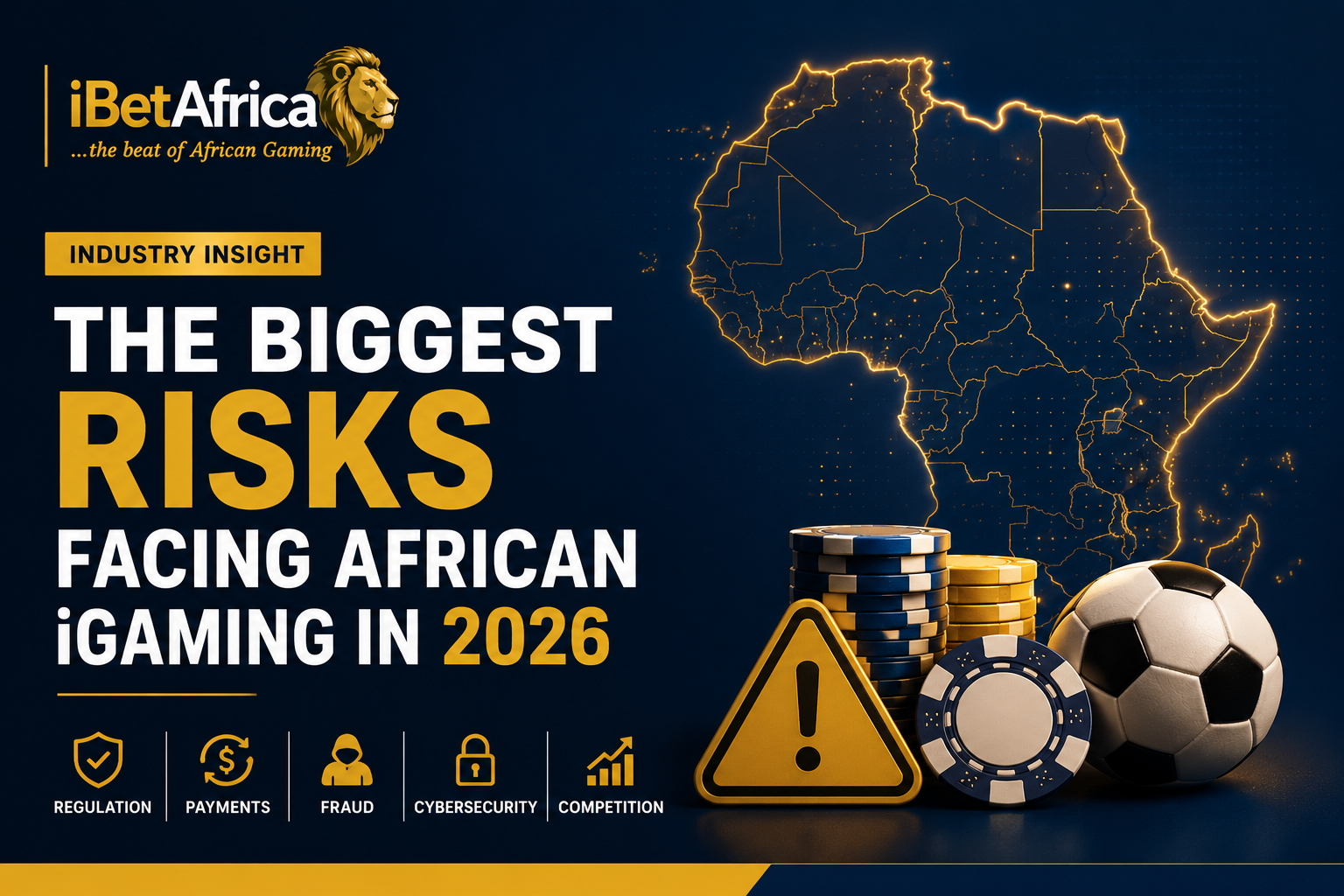
While many industry stakeholders are focused on expansion and customer acquisition, several critical risks have the potential to impact profitability, compliance, customer trust, and long-term sustainability in 2026.
Understanding these risks is essential for operators, suppliers, affiliates, payment providers, and investors looking to succeed in Africa’s rapidly evolving gaming landscape.
Regulatory Uncertainty
One of the biggest challenges facing the African iGaming industry remains regulatory uncertainty.
Several African markets continue to review and update their gaming laws, licensing requirements, tax structures, and compliance obligations. For operators operating across multiple jurisdictions, navigating different regulatory frameworks can be both complex and costly.
Unexpected policy changes, increased taxation, or stricter licensing requirements can significantly affect business operations and profitability.
As the industry matures, operators must remain proactive by monitoring regulatory developments and maintaining strong compliance processes.
Payment Failures and Transaction Challenges
Payment infrastructure remains a critical factor in the success of any online gaming operation.
Across many African markets, operators continue to face challenges related to failed deposits, delayed withdrawals, fragmented payment systems, and limited access to certain banking services.
Even minor payment disruptions can negatively impact player trust and retention.
In an industry where convenience is a major competitive advantage, operators that fail to provide fast, reliable, and localized payment options risk losing customers to competitors.
Fraud and Financial Crime
As the industry grows, fraud continues to evolve.
Identity fraud, account takeovers, bonus abuse, payment fraud, and money laundering risks remain significant concerns for operators.
Cybercriminals are becoming increasingly sophisticated, making it essential for businesses to invest in stronger fraud detection systems, customer verification processes, and risk management frameworks.
Companies that fail to address these threats may face financial losses, reputational damage, and regulatory penalties.
Rising Customer Acquisition Costs
The battle for players is becoming more competitive.
As more operators enter African markets, the cost of acquiring and retaining customers continues to rise. Paid advertising, affiliate partnerships, sponsorships, and promotional campaigns require increasing levels of investment.
Many operators focus heavily on acquisition while neglecting customer retention.
In 2026, sustainable growth will depend not only on attracting new players but also on delivering strong customer experiences that encourage long-term loyalty.
Responsible Gaming Concerns
Responsible gaming is becoming a major focus for regulators and industry stakeholders worldwide.
As player participation grows, operators face increasing pressure to implement measures that protect vulnerable customers and promote safer gaming practices.
Failure to prioritize responsible gaming can result in regulatory scrutiny, reputational challenges, and reduced public trust.
Operators that invest in player protection tools, self-exclusion options, spending controls, and responsible gaming education will be better positioned for long-term success.
Cybersecurity Threats
The gaming industry remains a frequent target for cyberattacks.
Data breaches, ransomware attacks, phishing attempts, and system vulnerabilities can disrupt operations and expose sensitive customer information.
With more transactions taking place online, cybersecurity is no longer just an IT issue—it is a business-critical priority.
Organizations must continually strengthen their security infrastructure to protect both their operations and their customers.
Intense Market Competition
Africa’s iGaming sector is attracting increasing interest from local and international operators.
While this growth creates opportunities, it also increases competition for market share.
Businesses that rely solely on promotions and bonuses may struggle to differentiate themselves in crowded markets.
Success in 2026 will require stronger brand positioning, localized strategies, innovative products, strategic partnerships, and exceptional customer experiences.
Looking Ahead
The African iGaming industry remains one of the most promising growth markets globally. However, growth alone does not guarantee success.
Operators that effectively manage regulatory risks, improve payment experiences, strengthen fraud prevention, prioritize responsible gaming, and invest in long-term customer relationships will be better positioned to thrive in an increasingly competitive environment.
As the industry continues to evolve, the companies that balance innovation with risk management will be the ones that shape the future of African gaming.