


Africa’s iGaming industry is experiencing strong growth, driven by increasing internet access, mobile penetration, and a young, digitally active population. Markets such as Nigeria, Kenya, and South Africa continue to attract both local and international operators looking to tap into the continent’s expanding opportunities.
However, despite this momentum, the industry still faces several structural and operational challenges that limit its full potential.
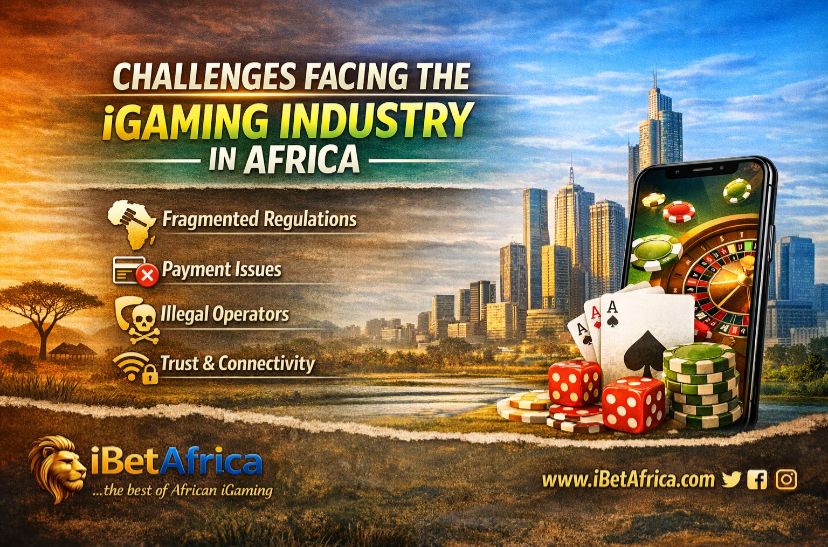
Fragmented and Evolving Regulatory Frameworks
One of the most significant challenges across African markets is the lack of regulatory consistency.
Each country operates under its own legal framework, with different licensing requirements, tax structures, and compliance standards. In some markets, regulations are still evolving, creating uncertainty for operators trying to establish or expand their presence.
This fragmentation increases operational complexity and makes it difficult for businesses to scale efficiently across multiple jurisdictions.
Payment Infrastructure Limitations
Payments remain a critical barrier to growth in many African iGaming markets.
While mobile money has improved access in certain regions, inconsistencies in payment systems still exist. Operators often face:
- failed transactions
- delayed withdrawals
- limited integration with local payment solutions
These issues directly affect user trust and can significantly impact retention and revenue.
Prevalence of Illegal and Offshore Operators
The presence of unlicensed and offshore operators continues to challenge the integrity of the industry.
These operators often bypass local regulations, avoid taxation, and operate without proper consumer protection measures. As a result, they create an uneven playing field for compliant businesses and undermine trust within the ecosystem.
Addressing this issue requires stronger enforcement and collaboration between regulators and industry stakeholders.
Low Levels of Trust and Consumer Awareness
Trust remains a key factor influencing user behaviour in African iGaming markets.
Many users are still cautious about:
- payment security
- fairness of games
- withdrawal reliability
In addition, limited awareness around responsible gaming and platform legitimacy can affect user confidence.
Operators must invest in transparency, user education, and reliable systems to build long-term trust.
Infrastructure and Connectivity Challenges
Although digital adoption is growing, infrastructure limitations still affect user experience in some regions.
Issues such as:
- unstable internet connectivity
- high data costs
- reliance on low-end devices
can limit access to certain platforms and reduce engagement.
To remain competitive, operators must design products that are lightweight, mobile-friendly, and optimized for low-bandwidth environments.
Market Diversity and Localization Barriers
Africa is not a single market but a collection of diverse countries with unique cultures, languages, and user behaviours.
Operators that apply a uniform strategy across multiple markets often struggle to gain traction.
Successful market entry requires:
- localized content
- culturally relevant user experiences
- tailored marketing strategies
Without proper localization, growth opportunities remain limited.
Talent and Industry Expertise Gap
As the iGaming industry expands, the demand for skilled professionals continues to grow.
However, there is still a shortage of specialized talent in areas such as:
- regulatory compliance
- gaming technology
- data analytics
- digital marketing
Bridging this gap will be essential for long-term industry development.
Africa’s iGaming sector holds significant promise, but addressing these challenges will be critical to unlocking sustainable growth.
Moving forward, stronger collaboration between operators, fintech providers, regulators, and ecosystem platforms will be necessary to build a more structured, transparent, and scalable industry across the continent.