
Nigeria is no longer a “potential” iGaming market — it is Africa’s most decisive battleground for scale, regulation, and localization. As of December 2025, the country sits at the intersection of massive demand, strong local brand dominance, and a clarified constitutional framework that is reshaping how operators, investors, and suppliers assess market entry.
This is not a market for shortcuts. It is a market for local strategy, regulatory accuracy, and mobile-first execution.
Market Snapshot: Why Nigeria Still Leads Africa
Nigeria remains Africa’s largest and fastest-evolving iGaming economy:
-
Population: ~229 million (median age: 18)
-
Active Gamblers: 75 million+
-
Industry Revenue: $2.8 – $3.1 billion annually (~2.2% of GDP)
-
Internet Penetration: 72%
-
Mobile-First Usage: ~85% of users
The implication is clear: Nigeria is built for volume, driven by youth, mobile accessibility, and micro-stake engagement.
Player Behaviour: What Nigerians Actually Play
Sports betting continues to dominate Nigerian iGaming activity:
-
~78% of total wagering volume comes from sports betting
-
Football leads overwhelmingly (EPL, NPFL, European leagues)
However, a quiet but important shift is underway:
-
Slots adoption is rising, especially among users aged 18–30
-
Average slot spins range between $0.14 – $0.17
-
Players favor:
-
Low volatility
-
Frequent wins
-
Fast-loading, mobile-optimized UX
-
This signals growing opportunity for localized, low-stake, mobile-first casino content.
Payments: The True Conversion Engine
Payments are no longer a support function — they are the growth engine.
Dominant methods include:
-
OPay
-
Palm
Nigeria’s iGaming Market in 2025: Market Power, Regulatory Reality & the Road Ahead
Nigeria is no longer a “potential” iGaming market — it is Africa’s most decisive battleground for scale, regulation, and localization. As of December 2025, the country sits at the intersection of massive demand, strong local brand dominance, and a clarified constitutional framework that is reshaping how operators, investors, and suppliers assess market entry.
This is not a market for shortcuts. It is a market for local strategy, regulatory accuracy, and mobile-first execution.
Market Snapshot: Why Nigeria Still Leads Africa
Nigeria remains Africa’s largest and fastest-evolving iGaming economy:
-
Population: ~229 million (median age: 18)
-
Active Gamblers: 75 million+
-
Industry Revenue: $2.8 – $3.1 billion annually (~2.2% of GDP)
-
Internet Penetration: 72%
-
Mobile-First Usage: ~85% of users
The implication is clear: Nigeria is built for volume, driven by youth, mobile accessibility, and micro-stake engagement.
Player Behaviour: What Nigerians Actually Play
Sports betting continues to dominate Nigerian iGaming activity:
-
~78% of total wagering volume comes from sports betting
-
Football leads overwhelmingly (EPL, NPFL, European leagues)
However, a quiet but important shift is underway:
-
Slots adoption is rising, especially among users aged 18–30
-
Average slot spins range between $0.14 – $0.17
-
Players favor:
-
Low volatility
-
Frequent wins
-
Fast-loading, mobile-optimized UX
-
This signals growing opportunity for localized, low-stake, mobile-first casino content.
Payments: The True Conversion Engine
Payments are no longer a support function — they are the growth engine.
Dominant methods include:
-
OPay
-
PalmPay
-
Bank transfers
Crypto usage remains limited (~8%), largely concentrated on offshore platforms.
Any operator or supplier entering Nigeria without deep local payment integration is structurally disadvantaged.
Top iGaming Brands in Nigeria (2025)
Based on Google Trends, Ahrefs, and SimilarWeb (Nigeria-only data):
-
Bet9ja – 3.25M searches
-
SportyBet – 2.98M
-
BetKing – 2.70M
-
MSport – 1.12M
-
Baba Ijebu – 780K
-
1xBet – 210K
-
Betway – 140K
-
Parimatch – 95K
-
Stake – 48K
-
Melbet – 42K
Key takeaway:
👉 Local brands dominate.
International operators only succeed when they localize deeply or partner locally.
Regulatory Reality: The Correction That Matters
A critical clarification must be made — and this is where many international analyses go wrong.
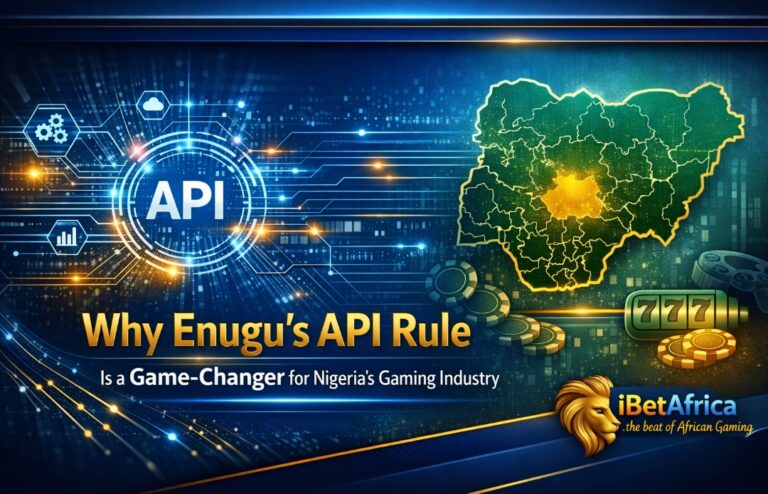
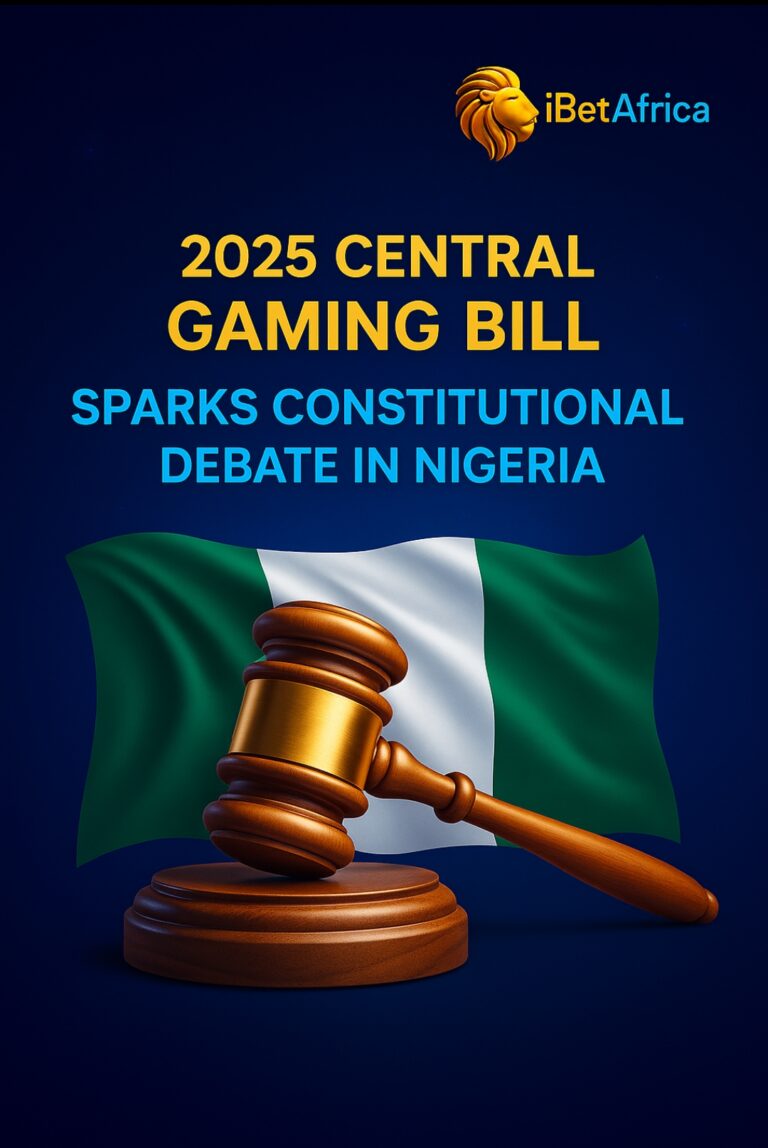
Following the November 2024 Supreme Court judgment and President Tinubu’s rejection of the Central Gaming Bill, gaming and lottery regulation in Nigeria does NOT fall under a single federal licensing authority.
What this means today:
-
Gaming regulation is under State jurisdiction (except the FCT)
-
Operators must obtain licenses from relevant State Gaming Regulators
-
Coordination and reciprocity are being driven through the Federation of State Gaming Regulators of Nigeria (FSGRN)
-
The National Lottery Regulatory Commission (NLRC) no longer operates as a central nationwide iGaming licensing body
Any reference to a single federal license or uniform national capitalization requirement is outdated.
For investors and international operators assessing Nigeria for 2026 and beyond, regulatory accuracy is as important as market data.
What This Means for Operators & Suppliers
Nigeria is not just a standalone market — it is a gateway to West Africa. But success here demands:
-
Correct regulatory positioning at the state level
-
Local partnerships and cultural relevance
-
Mobile-native product design
-
Seamless local payments
-
Patience, compliance, and scale thinking
Those who approach Nigeria with outdated assumptions will struggle. Those who build with the market — not around it — will win.
Final Thought
Nigeria rewards precision, not approximation.
It is a market of volume, loyalty, and local power — and it is only getting sharper.zPay
-
-
Bank transfers
Crypto usage remains limited (~8%), largely concentrated on offshore platforms.
Any operator or supplier entering Nigeria without deep local payment integration is structurally disadvantaged.
Top iGaming Brands in Nigeria (2025)
Based on Google Trends, Ahrefs, and SimilarWeb (Nigeria-only data):
-
Bet9ja – 3.25M searches
-
SportyBet – 2.98M
-
BetKing – 2.70M
-
MSport – 1.12M
-
Baba Ijebu – 780K
-
1xBet – 210K
-
Betway – 140K
-
Parimatch – 95K
-
Stake – 48K
-
Melbet – 42K
Key takeaway:
👉 Local brands dominate.
International operators only succeed when they localize deeply or partner locally.
Regulatory Reality: The Correction That Matters
A critical clarification must be made — and this is where many international analyses go wrong.
Following the November 2024 Supreme Court judgment and President Tinubu’s rejection of the Central Gaming Bill, gaming and lottery regulation in Nigeria does NOT fall under a single federal licensing authority.
What this means today:
-
Gaming regulation is under State jurisdiction (except the FCT)
-
Operators must obtain licenses from relevant State Gaming Regulators
-
Coordination and reciprocity are being driven through the Federation of State Gaming Regulators of Nigeria (FSGRN)
-
The National Lottery Regulatory Commission (NLRC) no longer operates as a central nationwide iGaming licensing body
Any reference to a single federal license or uniform national capitalization requirement is outdated.
For investors and international operators assessing Nigeria for 2026 and beyond, regulatory accuracy is as important as market data.
What This Means for Operators & Suppliers
Nigeria is not just a standalone market — it is a gateway to West Africa. But success here demands:
-
Correct regulatory positioning at the state level
-
Local partnerships and cultural relevance
-
Mobile-native product design
-
Seamless local payments
-
Patience, compliance, and scale thinking
Those who approach Nigeria with outdated assumptions will struggle. Those who build with the market, not around it will win.
Final Thought
Nigeria rewards precision, not approximation.
It is a market of volume, loyalty, and local power, and it is only getting sharper.